Debian GNU/Linux 13.7
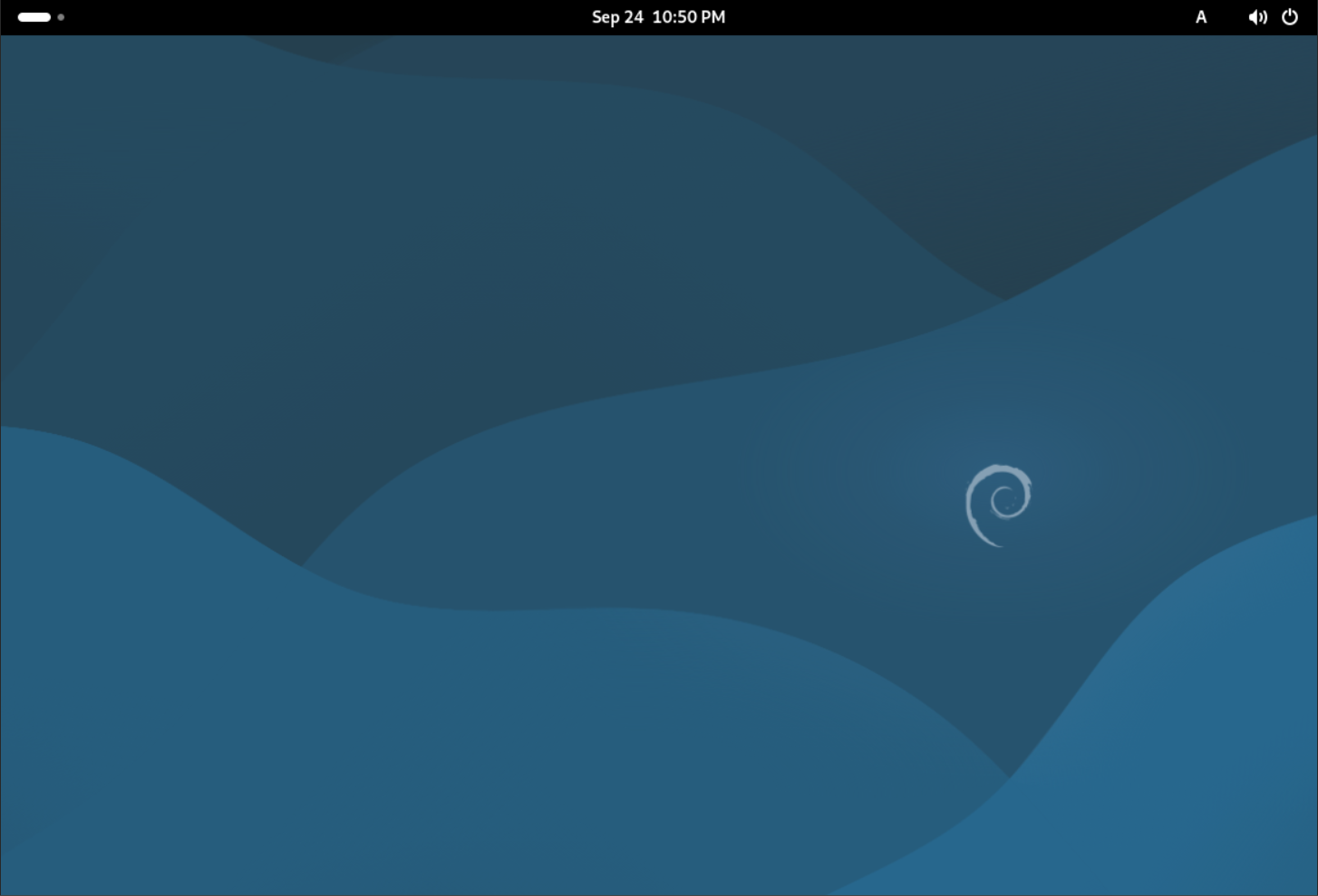
Reference screenshot; point releases may differ. The Debian Project; uploaded by Ahunt · Source · GNU GPL (see source)
Description
Debian is an independent community distribution known for stability, an extensive package archive and support for several hardware architectures. Debian 13.6 Trixie is the current stable point release and is suitable for desktops, servers, containers and infrastructure.
Who is Debian GNU/Linux for?
Debian GNU/Linux is primarily suited to daily desktop use, study, web browsing and productivity; servers, virtual machines and self-hosted services; experienced Linux users who want detailed control over the system. Before choosing it, compare the current release lifecycle with the length of support required for the machine. This distribution is based on independent, which influences package formats, repositories and much of the available documentation. The best choice depends on hardware support, preferred software, update policy and the amount of system administration the user wants to perform.
Before installing
Read the release notes and installation guide before downloading. Select an image that matches the processor architecture and intended use: desktop, server, live media, virtual machine or another published edition. Test Wi-Fi, graphics, audio, storage and suspend from live media when that option is available. Back up important files before repartitioning, encryption changes or dual-boot installation. For production deployment, verify application compatibility, upgrade paths, backup restoration and the project security-support policy in a non-production environment first. Download from an official project page or mirror, compare the published SHA-256 checksum, and verify a signed checksum when the project provides one. After installation, apply updates before adding third-party repositories or drivers.
Advantages
- Offers installation or deployment options intended for server and infrastructure workloads.
Limitations
- Installation or administration may require more Linux knowledge than beginner-focused systems.
- Its independent package ecosystem can have fewer third-party instructions than Debian-, Ubuntu- or Arch-based systems.
Distribution details
- System type
- linux_distribution
- Based on
- independent
- Desktop
- Not yet verified
- Updates
- Stable releases
- Categories
- desktop, server, advanced
Installation requirements
- Architectures
- amd64arm64armhfppc64elriscv64s390x
- Memory
- 1 GB minimum; 2 GB recommended
- Storage
- 10 GB minimum
- Firmware
- BIOS and UEFI are documented; firmware needs depend on the hardware.
Desktop installation figures with swap enabled. A no-desktop installation can use 512 MB RAM and 4 GB disk.
Safe download
The download button first records an anonymous aggregated download counter and then redirects to the official source.