CentOS Stream 10
Available downloads
Choose the image that matches your architecture and use case.
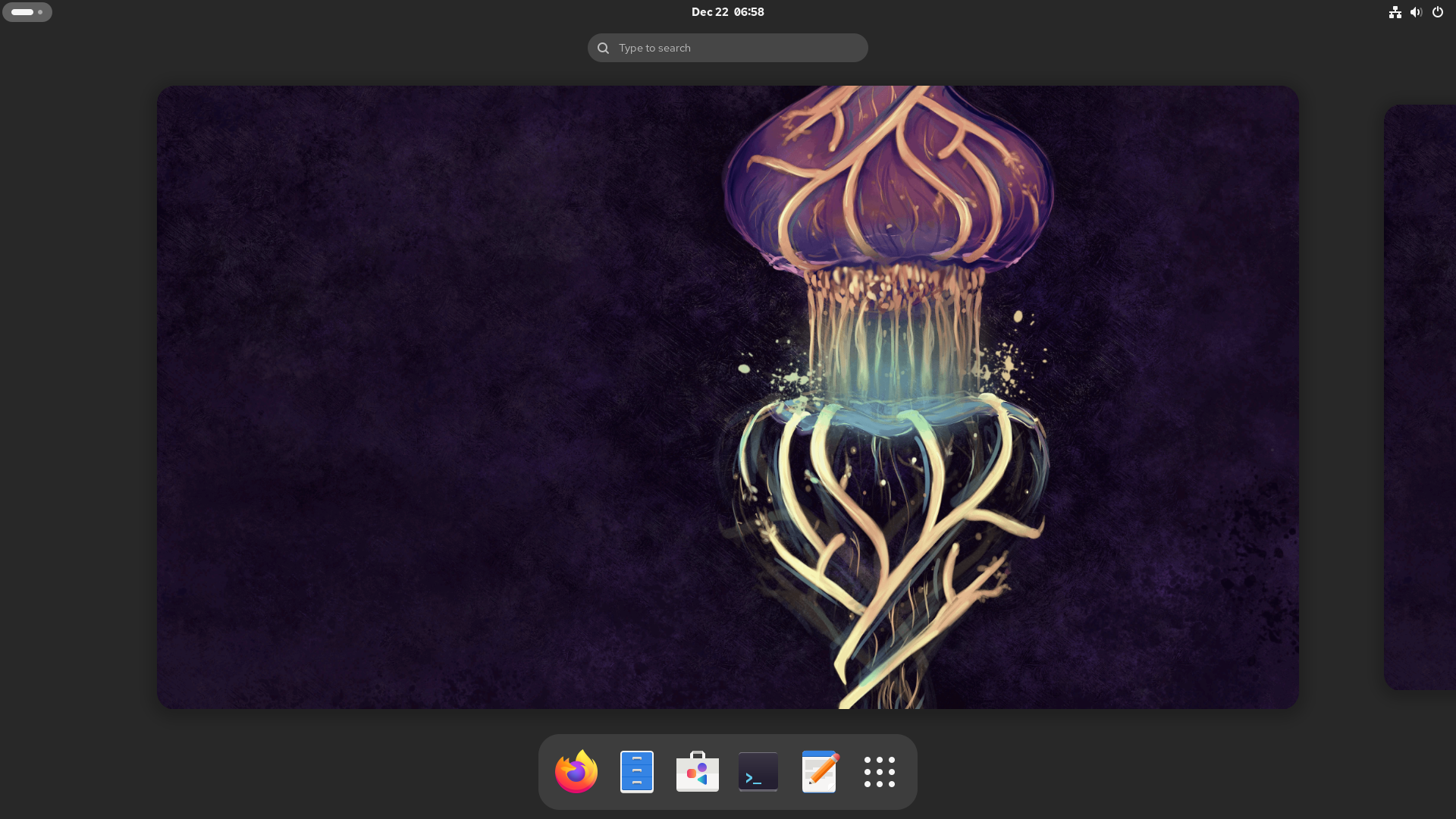
Reference screenshot; point releases may differ. The CentOS Project; screenshot by Paowee · Source · GNU GPL (see source)
Description
CentOS Stream is a continuously delivered enterprise Linux distribution developed just ahead of Red Hat Enterprise Linux. CentOS Stream 10 Coughlan provides a collaborative view of the next RHEL 10 minor release and supports server, cloud, container and development workloads.
Who is CentOS Stream for?
CentOS Stream is primarily suited to servers, virtual machines and self-hosted services; managed infrastructure where predictable maintenance is important; experienced Linux users who want detailed control over the system. Before choosing it, compare the current release lifecycle with the length of support required for the machine. This distribution is based on rhel, which influences package formats, repositories and much of the available documentation. The listed desktop environment is GNOME; confirm its memory, graphics and accessibility requirements on the official project site. The best choice depends on hardware support, preferred software, update policy and the amount of system administration the user wants to perform.
Before installing
Read the release notes and installation guide before downloading. Select an image that matches the processor architecture and intended use: desktop, server, live media, virtual machine or another published edition. Test Wi-Fi, graphics, audio, storage and suspend from live media when that option is available. Back up important files before repartitioning, encryption changes or dual-boot installation. For production deployment, verify application compatibility, upgrade paths, backup restoration and the project security-support policy in a non-production environment first. Download from an official project page or mirror, compare the published SHA-256 checksum, and verify a signed checksum when the project provides one. After installation, apply updates before adding third-party repositories or drivers.
Advantages
- Offers installation or deployment options intended for server and infrastructure workloads.
- Fits managed environments that value documented maintenance and predictable operational practices.
- Continuously updated repositories provide newer software without periodic full-version migrations.
Limitations
- Frequent updates require regular maintenance and attention to project announcements.
- Installation or administration may require more Linux knowledge than beginner-focused systems.
- A graphical desktop and consumer applications may not be included by default.
Distribution details
- System type
- linux_distribution
- Based on
- rhel
- Desktop
- GNOME
- Updates
- Continuous delivery
- Categories
- server, enterprise, advanced
Installation requirements
- Architectures
- x86_64_v3aarch64ppc64les390x
- Memory
- Not yet verified
- Storage
- Not yet verified
- Firmware
- Consult the installation guide
Memory and storage depend strongly on enabled services, workload, redundancy and retention. Size production systems from the official deployment documentation.
Safe download
The download button first records an anonymous aggregated download counter and then redirects to the official source.
After installing CentOS Stream
Six post-installation checks based on project documentation. Commands are examples for your own system, not an automatic installation script. Review your edition and current release notices first.
Read the Stream 10 release notes
Check known issues and platform changes before configuring workloads. Stream is not the retired CentOS Linux release model.
Read project documentation: Read the Stream 10 release notesInspect BaseOS and AppStream
Review enabled repositories. Stream 10 uses BaseOS and AppStream; CRB is optional and disabled by default.
Read project documentation: Inspect BaseOS and AppStreamUpdate using DNF
On an installed Stream 10 system, refresh metadata and review the proposed upgrade transaction before accepting it.
Before you continue: Back up data and configuration first. Schedule maintenance and verify services after any restart.
Read project documentation: Update using DNFsudo dnf upgrade --refreshSelect packages for Stream 10
Check current package names and availability. Stream 10 no longer uses the previous modularity mechanism for alternative versions.
Read project documentation: Select packages for Stream 10Account for the Wayland desktop change
For graphical workloads, check application compatibility with Wayland and Xwayland. Do not assume the old Xorg server package is available.
Read project documentation: Account for the Wayland desktop changeProtect workload data before customization
IsosLinux precaution: retain tested backups of application data and configuration outside the system being changed. Test important workloads after updates.
Read project documentation: Protect workload data before customization